
What Causes Acne and How Can It Be Treated
- posted: Jul. 23, 2025
Acne is one of the most common skin conditions in the United States, yet it can feel deeply personal when it appears. For many, it’s more than just a cosmetic issue—it can impact confidence, cause discomfort, and linger well beyond the teenage years. At Trident Dermatology, PA in Charleston, SC, a team of experienced dermatologists helps patients of all ages understand what’s driving their acne and how to manage it effectively.
Why Acne Happens: More Than Just Oily Skin
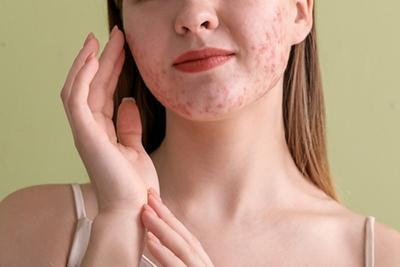
Acne develops when hair follicles become clogged with oil and dead skin cells. While that may sound simple, the root causes are often more complex.
Contributing Factors to Acne
- Hormonal Changes: Androgens increase during puberty and can overstimulate oil glands, leading to clogged pores. Hormonal fluctuations related to menstruation, pregnancy, or stress can also play a role.
- Excess Oil Production: Sebaceous glands in the skin can overproduce oil, creating a perfect environment for acne to form.
- Bacteria (Cutibacterium acnes): When this naturally occurring skin bacteria multiplies inside clogged pores, it can trigger inflammation and infection.
- Genetics: A family history of acne can increase the likelihood of developing it.
- Certain Products or Medications: Some skincare, makeup, or hair products, as well as specific medications, may contribute to breakouts.
- Diet and Lifestyle: While not the root cause for most, factors like a high-glycemic diet or poor sleep habits may aggravate existing acne.
Understanding what’s behind a person’s acne is the first step toward meaningful treatment.
Types of Acne Seen at Trident Dermatology
Not all acne looks or behaves the same. Dermatologists at Trident Dermatology diagnose and treat all types, including:
- Blackheads and whiteheads (non-inflammatory acne)
- Papules and pustules (inflammatory acne)
- Nodules and cysts (deep, painful lesions that may lead to scarring)
Treatment approaches may vary depending on the severity and type of acne present.
Treatment Options That Go Beyond the Surface
At Trident Dermatology, treatment plans are personalized to each patient. A dermatologist evaluates the skin type, acne severity, lifestyle factors, and previous treatment history to develop a strategy that actually works.
Common Acne Treatment Approaches:
- Topical Treatments: Creams, gels, or lotions with ingredients like benzoyl peroxide, retinoids, salicylic acid, or antibiotics.
- Oral Medications: These may include antibiotics, hormonal therapies, or isotretinoin for more severe cases.
- In-Office Procedures: Chemical peels, laser treatments, or light therapy can reduce breakouts and improve skin tone and texture.
- Customized Skincare Routines: Patients receive expert advice on which products to use and which ones to avoid.
Managing acne often requires patience and persistence. With expert guidance, clearer skin becomes achievable—not just temporarily, but in the long term.
When to See a Dermatologist for Acne
Many people try to treat acne at home for years before seeking help. If over-the-counter solutions aren't working, if acne is leaving scars, or if breakouts are causing emotional distress, it may be time to consult a dermatologist.
At Trident Dermatology, early intervention can prevent long-term damage and lead to quicker, more effective results.
Clearer Skin Starts in Charleston
Trident Dermatology, PA provides professional, compassionate care to individuals struggling with acne in the Charleston community. With multiple skilled dermatologists on staff and a patient-centered approach, their team is here to help patients feel more confident in their skin.
Call (843) 797-3960 to schedule a consultation and take the first step toward clearer, healthier skin.
- posted: Jul. 23, 2025
Acne is one of the most common skin conditions in the United States, yet it can feel deeply personal when it appears. For many, it’s more than just a cosmetic issue—it can impact confidence, cause discomfort, and linger well beyond the teenage years. At Trident Dermatology, PA in Charleston, SC, a team of experienced dermatologists helps patients of all ages understand what’s driving their acne and how to manage it effectively.
Why Acne Happens: More Than Just Oily Skin
Acne develops when hair follicles become clogged with oil and dead skin cells. While that may sound simple, the root causes are often more complex.
Contributing Factors to Acne
- Hormonal Changes: Androgens increase during puberty and can overstimulate oil glands, leading to clogged pores. Hormonal fluctuations related to menstruation, pregnancy, or stress can also play a role.
- Excess Oil Production: Sebaceous glands in the skin can overproduce oil, creating a perfect environment for acne to form.
- Bacteria (Cutibacterium acnes): When this naturally occurring skin bacteria multiplies inside clogged pores, it can trigger inflammation and infection.
- Genetics: A family history of acne can increase the likelihood of developing it.
- Certain Products or Medications: Some skincare, makeup, or hair products, as well as specific medications, may contribute to breakouts.
- Diet and Lifestyle: While not the root cause for most, factors like a high-glycemic diet or poor sleep habits may aggravate existing acne.
Understanding what’s behind a person’s acne is the first step toward meaningful treatment.
Types of Acne Seen at Trident Dermatology
Not all acne looks or behaves the same. Dermatologists at Trident Dermatology diagnose and treat all types, including:
- Blackheads and whiteheads (non-inflammatory acne)
- Papules and pustules (inflammatory acne)
- Nodules and cysts (deep, painful lesions that may lead to scarring)
Treatment approaches may vary depending on the severity and type of acne present.
Treatment Options That Go Beyond the Surface
At Trident Dermatology, treatment plans are personalized to each patient. A dermatologist evaluates the skin type, acne severity, lifestyle factors, and previous treatment history to develop a strategy that actually works.
Common Acne Treatment Approaches:
- Topical Treatments: Creams, gels, or lotions with ingredients like benzoyl peroxide, retinoids, salicylic acid, or antibiotics.
- Oral Medications: These may include antibiotics, hormonal therapies, or isotretinoin for more severe cases.
- In-Office Procedures: Chemical peels, laser treatments, or light therapy can reduce breakouts and improve skin tone and texture.
- Customized Skincare Routines: Patients receive expert advice on which products to use and which ones to avoid.
Managing acne often requires patience and persistence. With expert guidance, clearer skin becomes achievable—not just temporarily, but in the long term.
When to See a Dermatologist for Acne
Many people try to treat acne at home for years before seeking help. If over-the-counter solutions aren't working, if acne is leaving scars, or if breakouts are causing emotional distress, it may be time to consult a dermatologist.
At Trident Dermatology, early intervention can prevent long-term damage and lead to quicker, more effective results.
Clearer Skin Starts in Charleston
Trident Dermatology, PA provides professional, compassionate care to individuals struggling with acne in the Charleston community. With multiple skilled dermatologists on staff and a patient-centered approach, their team is here to help patients feel more confident in their skin.
Call (843) 797-3960 to schedule a consultation and take the first step toward clearer, healthier skin.
This website includes materials that are protected by copyright, or other proprietary rights. Transmission or reproduction of protected items beyond that allowed by fair use, as defined in the copyright laws, requires the written permission of the copyright owners.
Trident Dermatology
9295 Medical Plaza Dr Ste A,
North Charleston, SC 29406-9137
Office Hours
Monday
7:30 am - 5:00 pm
Tuesday
7:30 am - 5:00 pm
Wednesday
7:30 am - 5:00 pm
Thursday
7:30 am - 5:00 pm
Friday
7:30 am - 5:00 pm
Saturday
Closed
Sunday
Closed